Peridotite is a dark-colored igneous rock consisting mostly of olivine and pyroxene. It is an important rock type because the Earth’s mantle is predominantly composed of it.
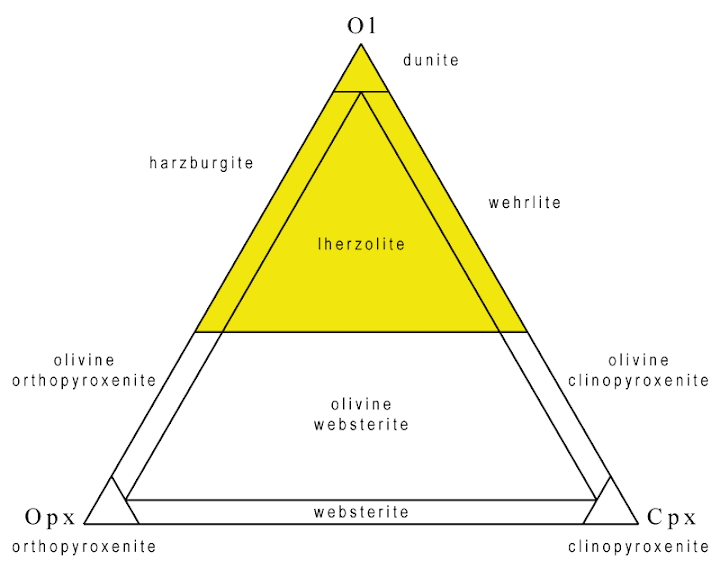
A classification diagram of ultramafic rocks. Note that neither peridotite nor pyroxenite are single rock types. They are further divided into subtypes. There are four subtypes: dunite, harzburgite, lherzolite, and wehrlite. How to read this diagram? It is a typical ternary plot which are often used in geology. Ol, Opx, and Cpx represent olivine, orthopyroxene, and clinopyroxene respectively. Dunite is a type of peridotite that is almost monomineralic (more than 90% of it is olivine). Wehrlite contains almost no orthopyroxene but is rich in clinopyroxene and olivine. Harzburgite is rich in olivine and orthopyroxene but there can be only up to 5% clinopyroxene. Lherzolite is the least pretentious of them — it is a mixture of two pyroxenes and olivine1.
This rock is relatively rare at the surface and is often altered by hydrothermal metamorphism or weathering because its constituent minerals are unstable at the weathering environment.
Olivine, the principal component of peridotite, makes up more than 40% of the pair olivine + pyroxene (or amphibole). A rock type with less olivine is named pyroxenite (or hornblendite if there are more amphiboles than pyroxenes). Peridotite is a plutonic rock, it is mostly composed of visible mineral grains. Other notable minerals that are often present are chromite, garnet, and plagioclase. It is an ultramafic rock (mafic minerals make up more than 90% of the rocks composition).
Peridotite is often massive (homogeneous) just like other plutonic rocks, but it can be also layered. Layered peridotite is a cumulate rock formed by crystal settling from magma. Layered ultramafic typically occur at the base of gabbroic intrusions. The Troodos ophiolite in Cyprus is a well-known locality where such rocks can be seen at the surface. Massive samples are often brought to the surface as xenoliths inside basalt.
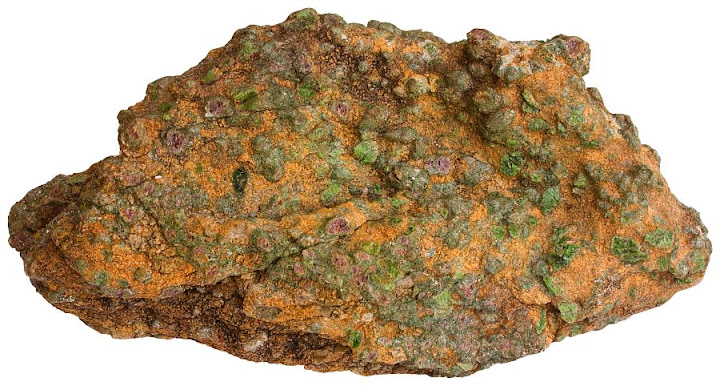
Wehrlite (clinopyroxene peridotite) from Norway. The main minerals are diopside (green), pyrope (purple) and olivine (yellowish green). Åheim, Norway. Width of sample 16 cm.
It is the source rock of basalt. Basaltic magma forms when peridotite is partially melted. Basalt and peridotite differ in composition because rocks are mixtures of minerals, but each mineral has its own melting temperature.
Some minerals start melting earlier and form basaltic magma which migrates upward because of lower density. Rest of the rock that did not melt have also different composition from the source rock, it is enriched in minerals with a higher melting temperature. This is the mechanism how different types of peridotite came to be. Lherzolite and wehrlite are sometimes referred to as a fertile mantle. These types of peridotite yield basaltic magma when they melt partially. What is left after the basaltic component is removed is called a depleted mantle. As a rock type it is harzburgite or in extreme cases dunite.
The main components of this rock, olivine and pyroxene, are unstable minerals in the weathering environment. By the time these rocks reach the surface they are often heavily altered by a hydrothermal metamorphism or weathering. The rocks that are called peridotites are therefore often heavily metamorphosed and should be called serpentinite instead of peridotite which it once was.
This rock itself is usually not a notable mineral resource (see the exception from Norway below), but valuable stuff may be associated with it. Chromite is a principal ore of chromium. Talc is found in some metamorphosed peridotitic rocks. Serpentinite is used as a decorative stone because of its interesting texture. Nickel and platinum are usually associated with ultramafic host rocks.
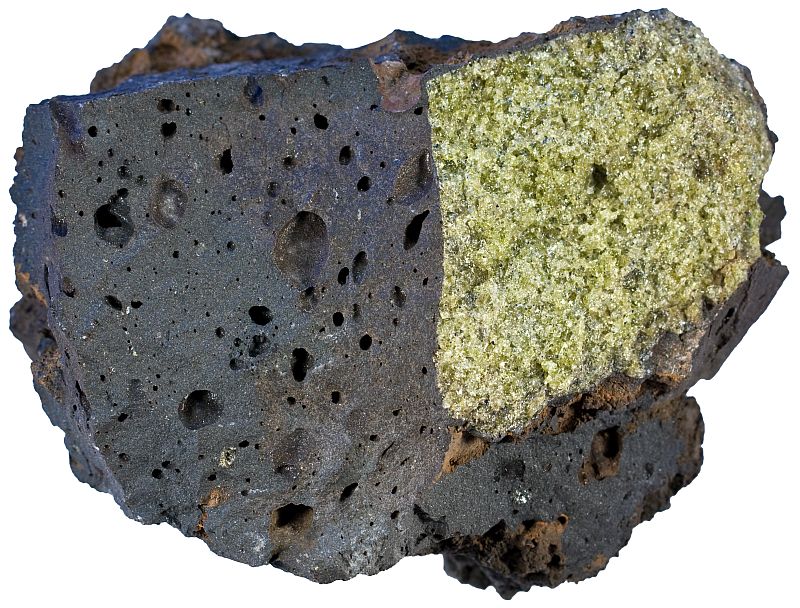
Dunite xenolith in basaltic lava from Hawaii. Width of sample 8 cm.
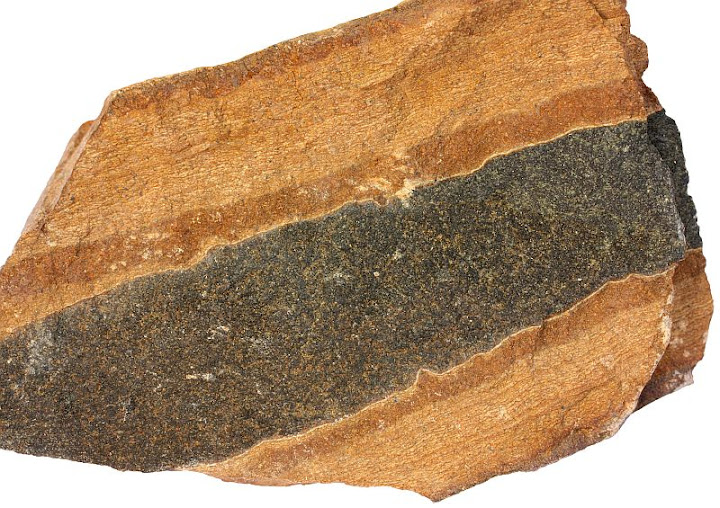
A sample from the Troodos ophiolite in Cyprus with a weathering rinds. Unaltered rock is in the middle. Width of sample 11 cm.
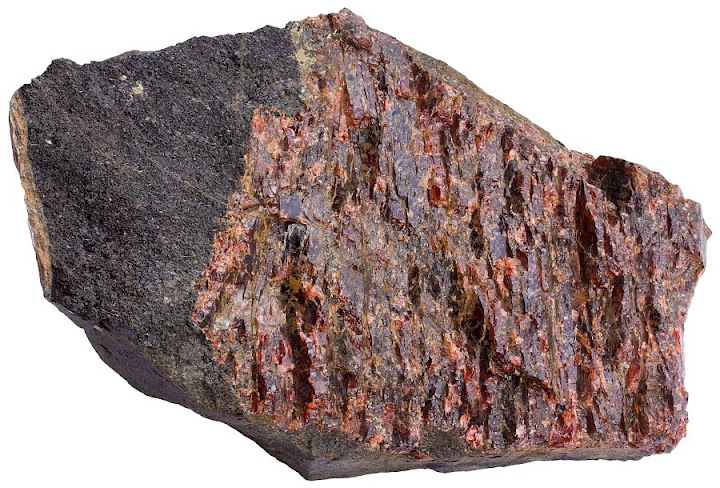
Peridotite with a huge garnet crystal. Hullvann, Norway. Width of sample 18 cm.
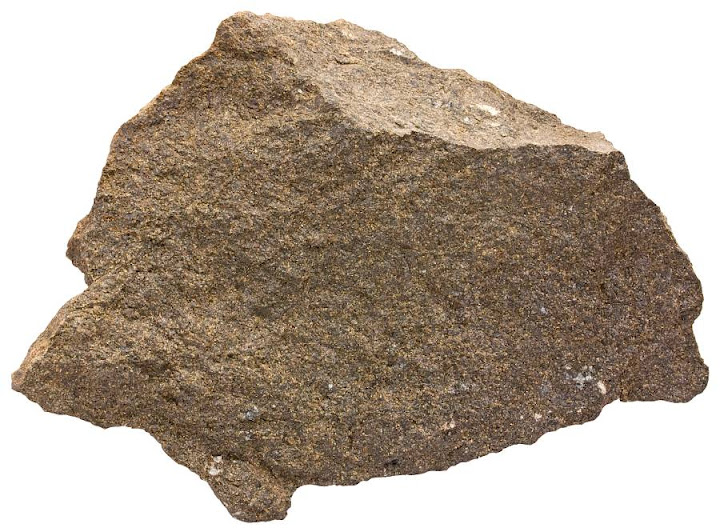
Harzburgite (orthopyroxene peridotite) from the Seiland magma province in Norway. Width of sample 10 cm.
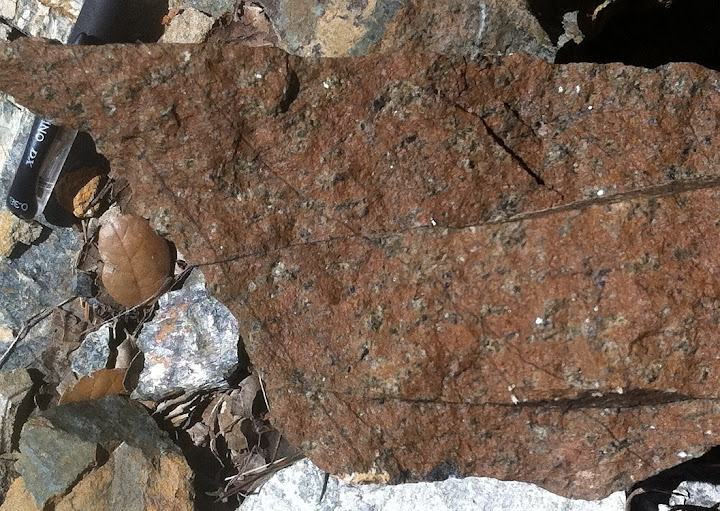
Harzburgite from the Troodos ophiolite. This is example of a depleted mantle.
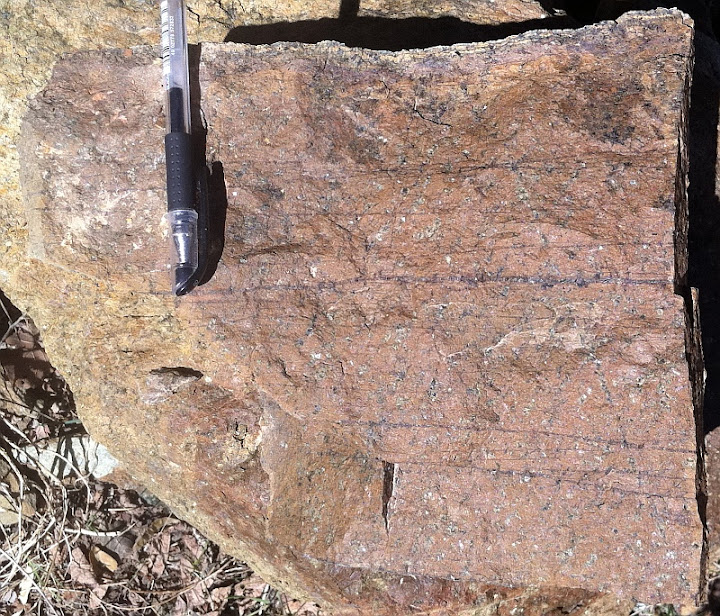
Layered harzburgite from the Troodos ophiolite.
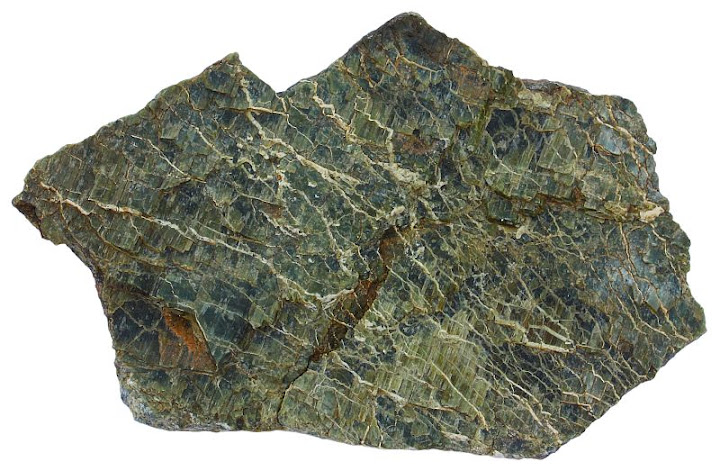
Serpentinite sample from the Troodos ophiolite. It is a hydrothermally altered peridotitic rock.
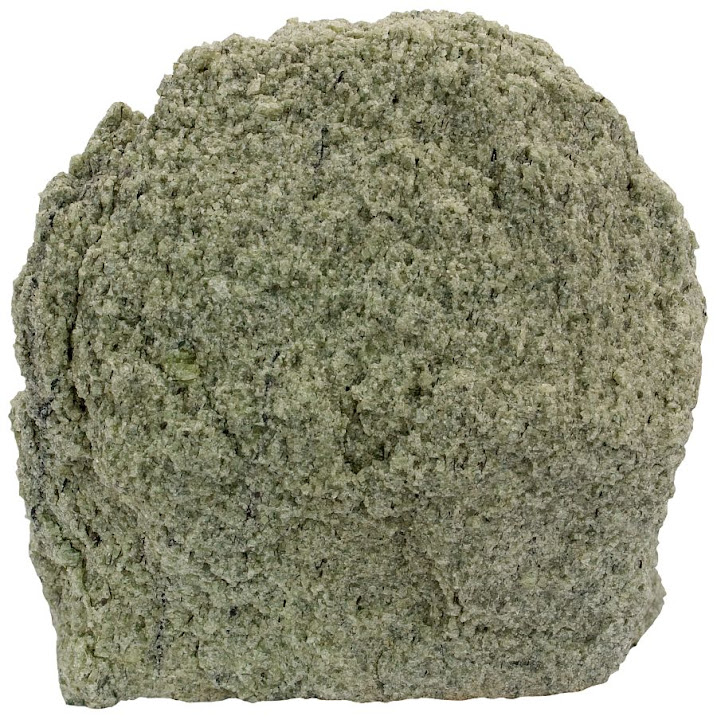
This is a sample of dunite from a working quarry. Dunite is mined because of its high olivine content. Olivine can be used as a refractory material. Gusdal quarry, Norway. Width of sample 9 cm.
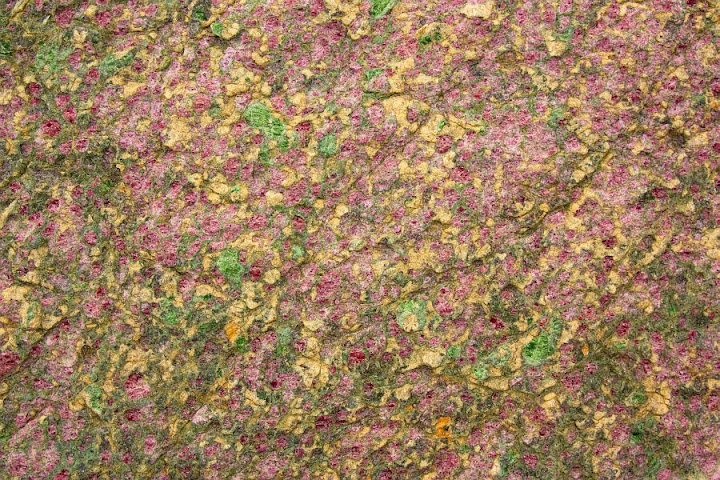
Main minerals are pyrope, chromian diopside and olivine. Åheim, Norway. Width of view 25 cm.
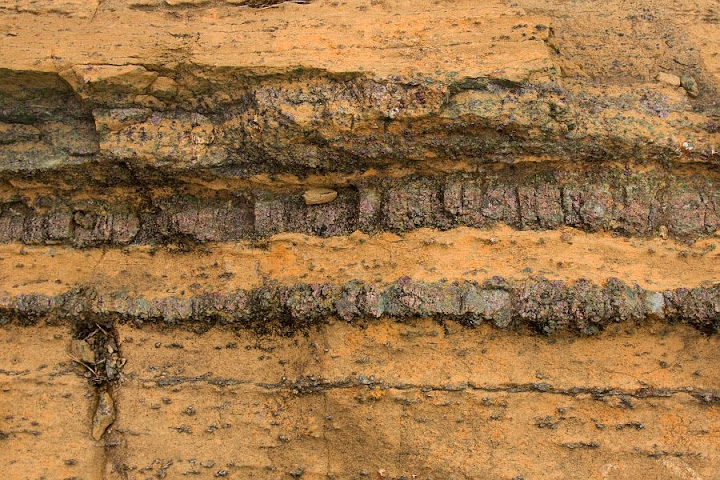
Pyroxenite layers in a layered peridotite intrusion. Lower pyroxenite layer is about 5 cm thick. Åheim, Norway.
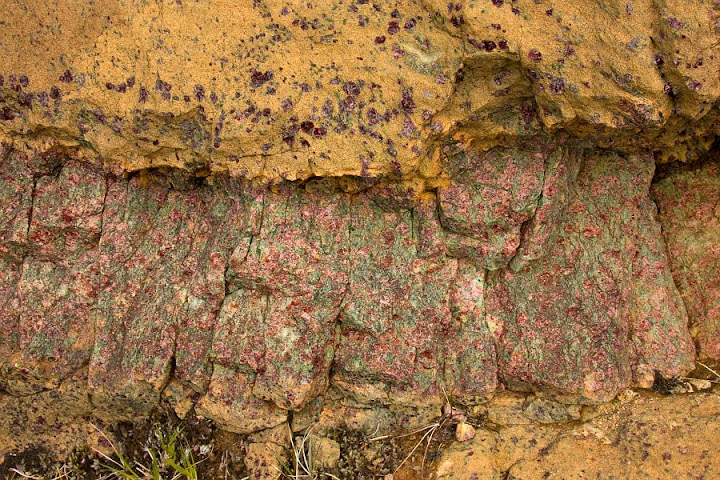
Closer view of a pyroxenite layer in pyrope-bearing dunite.
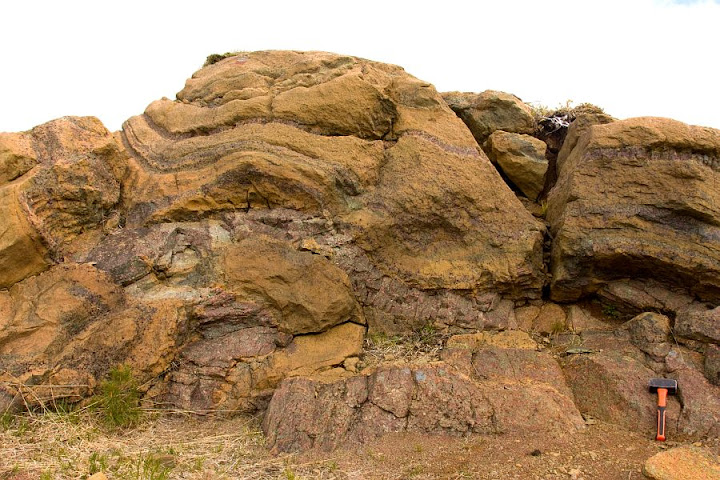
And more distant look at the same outcrop.
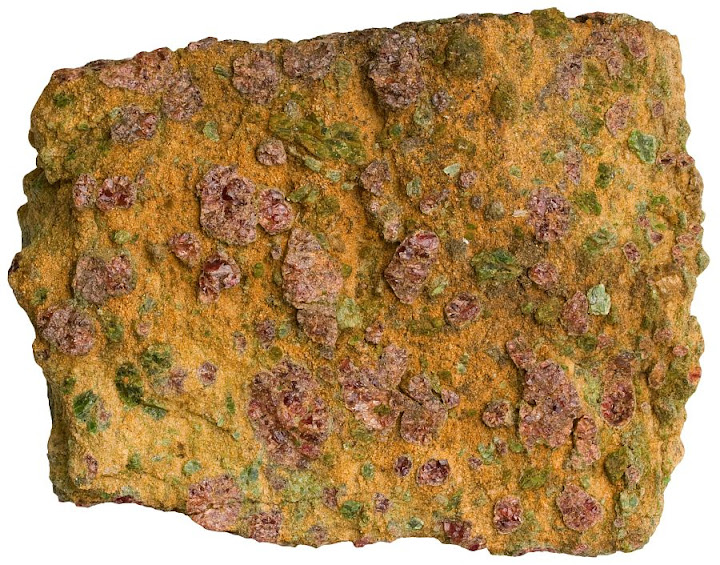
Another sample from Norway showing pyrope and diopside phenocrysts in a finer groundmass which is mostly composed of olivine. Width of sample 11 cm.
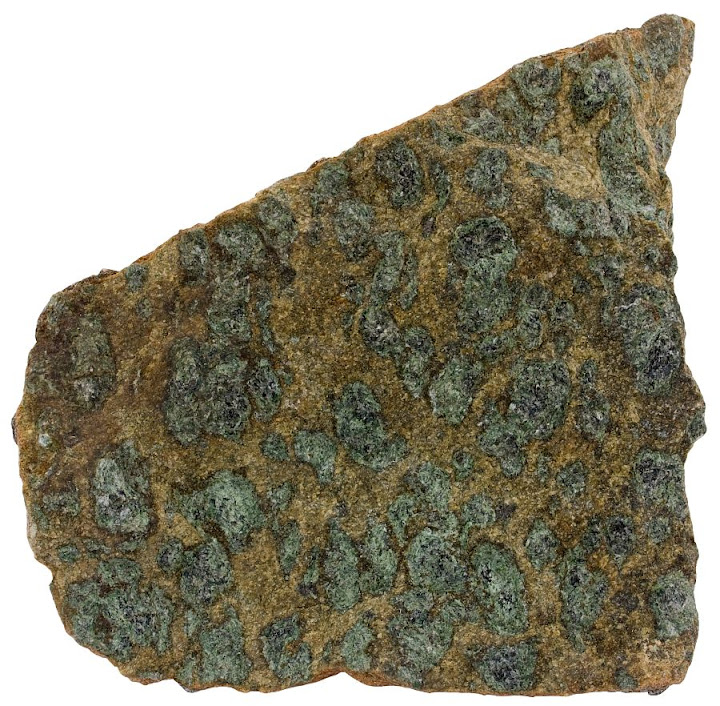
Peridotite with abundant alteration patches of dark green chlorite. Helgehornsvatnet, Norway. Width of sample 11 cm.
References
1. Le Maitre, R. W. (2005). Igneous Rocks: A Classification and Glossary of Terms: Recommendations of the International Union of Geological Sciences Subcommission on the Systematics of Igneous Rocks
Excellent pictures and I like the information. Good on you.
Robbie
Thanks, Robbie!
Thanks for this , much appreciated .
I live in Cyprus and I have collected many periodite rocks just trying to understand Geology step by step .
I have collected them from Troodos as well as 3 km from Limassol beach , they are different in that the Troodos ones are layered and the Limassol ones are more large grained crystal & what i thought is called Pyroxenite or hornblendite … i can’t tell .
Maybe i culd send you a few photo you welcome to use .
thanks john
It is difficult to tell pyroxenite and hornblendite apart. Pyroxenite is more common though. Hornblende has a strong lustre which pyroxene lacks. It might help.
Hi,where is the place in Norway where these photos have been taken?
These rocks are amazing.
Yes, they are. This is a bit hard to access location away from roads. Needs some hiking to the mountains. Nearest village is Åheim and genetically associated is dunite which is mined at Gusdal quarry. It is a large mining operation. Should be easy to find.