Sand samples of volcanic origin are of two dominant types: clastic detritus eroded from a volcanic terrain and products of explosive volcanic eruptions (pyroclastic sediments, also known as tephra). The first group of volcanic sand is similar to most other types of sand in terms of genesis. However, they generally have different composition from the so-called normal continental quartz-rich sand. Such volcanic sand is typically immature because most of its components are susceptible to weathering. This type of sand is often composed mostly of rock fragments rather than individual mineral crystals.
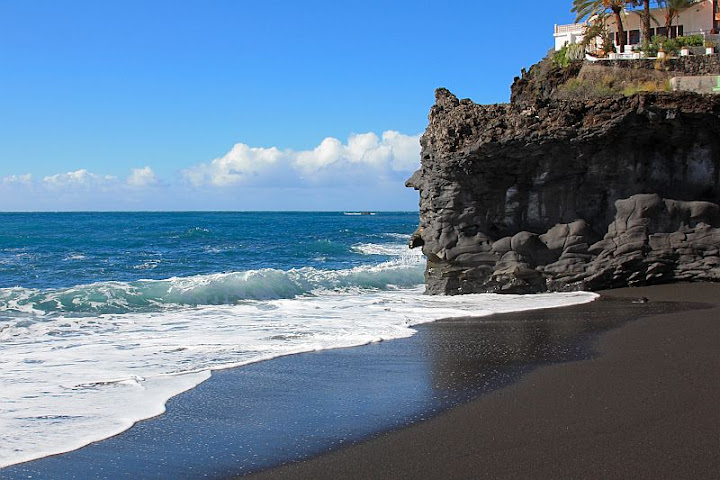
Black volcanic sand on La Palma, Canary Islands.
The second group consists of volcanic ash. This material is composed of volcanic glass, rock fragments, and crystals in all possible proportions. Lithified volcanic ash is tuff. Lithified deposit of a pyroclastic flow is ignimbrite.
Olivine, pyroxene, and magnetite are the most characteristic minerals of most volcanic sand deposits. Most volcanic beach sands are dark-colored. Hence, they are often named black sand. Black color is given to these sands by minerals augite (pyroxene), magnetite, and sometimes hornblende. These minerals contain lots of iron in their crystal structure which often gives them black color and reddish rust-colored hue when weathered.
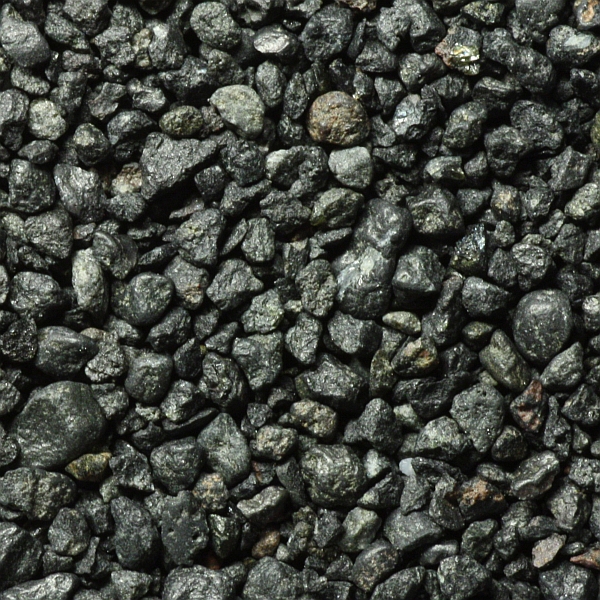
Volcanic sand composed of basaltic rock fragments. Kahena Beach, Hawaii. Width of view 10 mm.
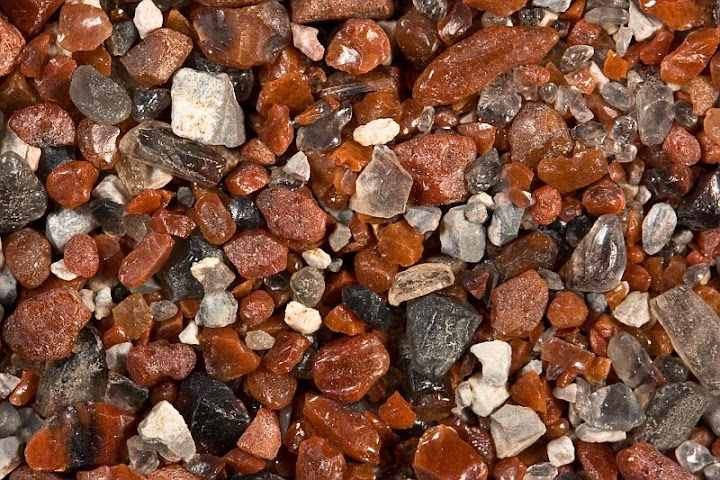
Mostly red volcanic glass fragments. California, Medoc County. Width of view 20 mm.

Olivine sand from Hawaii, Papakolea Beach. Width of view 20 mm.
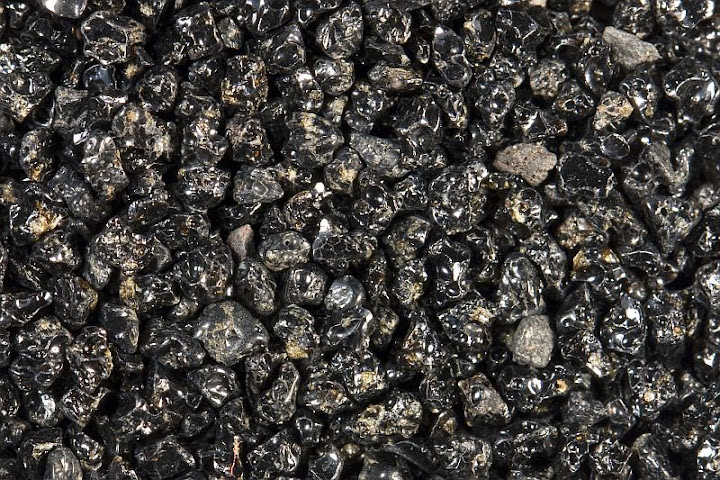
Volcanic beach sand from Hawaii, Punalu’u Beach. Sand is composed of vesicular volcanic glass. Width of view 20 mm.
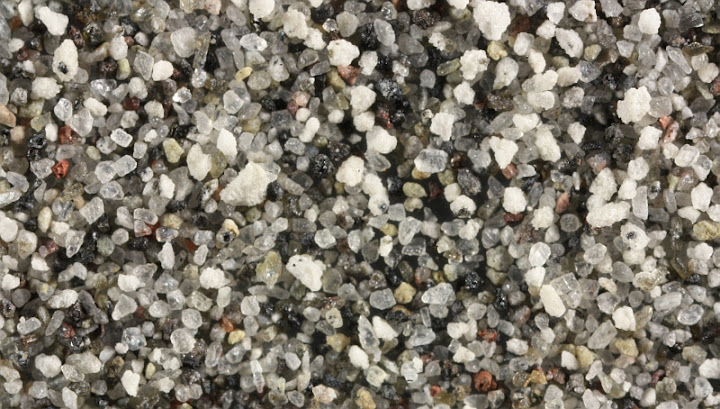
Volcanic ash collected one day after the eruption of Mount St. Helens in 1980. Width of the view is 4 mm.

Fine-grained volcanic beach sand from Martinique. Green prismatic mineral is augite. Black is magnetite. Width of view 7 mm.
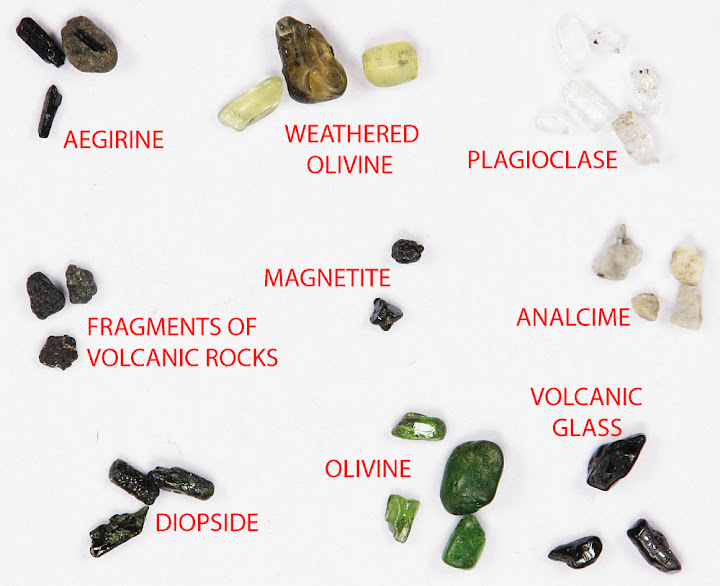
The components of a volcanic sand from the Azores archipelago. Width of view 19 mm.
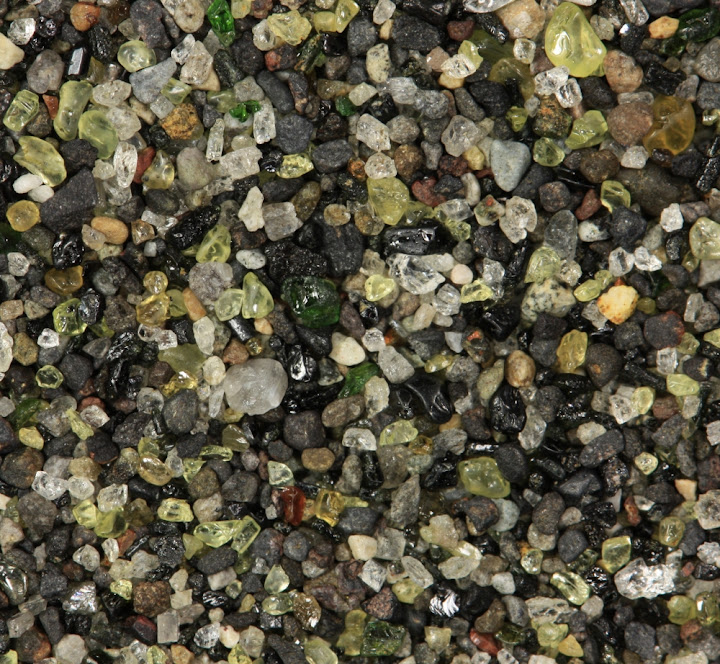
Same grains together (from the Azores) as a sand sample. Width of view 14 mm.
I want to do some sand frlying
which type of sand should I use?
people seem to recommend “black sand”
it is easy to get pure food grade quartz sand
will it have similar enough properties?
Very Useful, thanks